

The proverb “barking dogs seldom bite” means that people who make a lot of noise or threats are generally not as dangerous or likely to follow through with their actions as those who are more quiet and reserved.
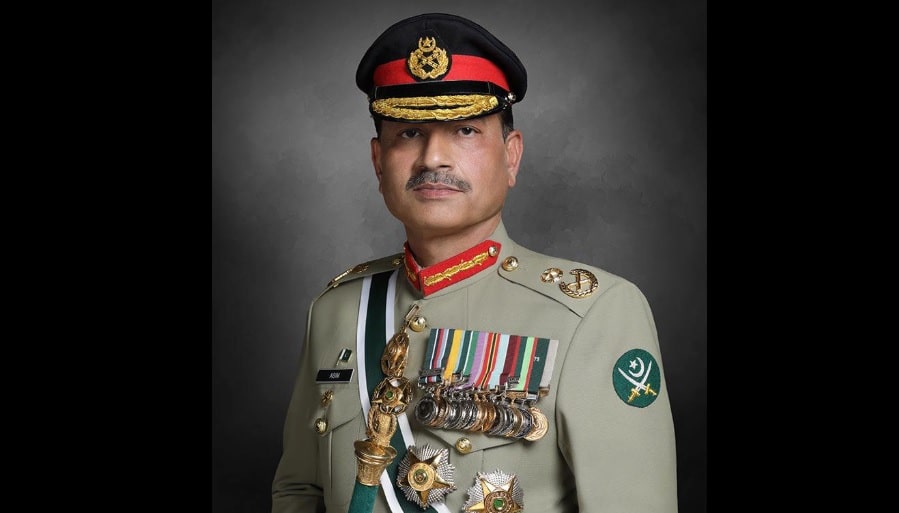
During his official visit to the United States in August 2025, Pakistan Army Chief Field Marshal Asim Munir made highly provocative and alarming nuclear threats against India. Speaking at a private dinner in Tampa, Florida, to members of the Pakistani diaspora, Munir declared that Pakistan, a nuclear armed nation, would “take half the world down with us” if faced with an existential threat from India.
He further warned about destroying Indian dams with missiles if India proceeded with such constructions,
asserting Pakistan’s resolve to defend its water rights and calling the Indus River “not the Indians’ family property.” This marked an unprecedented nuclear threat issued from US soil directed at a third
country.
Addressing the Pakistani diaspora in Tampa of Florida in the United States, Asim Munir threatened
Reliance Industries CMD & billionaire Mukesh Ambani.
Munir threatened to target Mukesh Ambani’s Jamnagar refinery in the event of any future conflict with
India. Pakistani fielder Asim Munir said in his speech, ‘We had a tweet made which carried “Surah Fil” and
Mukesh Ambani’s picture, to convey the message of what Pakistan will do next’. Munir said in a threatening tone, ‘We will start from the east of India, where their most valuable resources are, and then move towards the west.’
Pakistan Army Chief General Asim Munir publicly threatened to attack Reliance Industries Limited’s Jamnagar refinery, the largest single site oil refinery in the world, which is situated in Gujarat, India, during
his extremely provocative tour to the United States. During a closed door gathering in Tampa, Florida,
Munir allegedly threatened to target the Jamnagar refinery in the case of a future conflict between India and Pakistan. The refinery, which processes over 33 million tons of oil annually and makes up almost
12% of India’s refining capacity, is a vital component of the nation’s energy infrastructure.
Munir’s threats came amid his second visit to the US in two months, a trip underscoring the strengthening military ties between Pakistan and the US. The visit included high-level engagements with American military and political leaders and attendance at significant military ceremonies. The military leadership of Pakistan seems to be specifically identifying important Indian economic installations as possible military
targets, which is an enormous shift in tone. Recent military and diplomatic tensions between the two neighbors have escalated, especially in the wake of India’s Operation Sindoor, which reportedly targeted militant camps in Pakistan. Munir’s remarks come against this context.
The Jamnagar refinery threat is part of a series of military warnings Munir issued while on US soil, including nuclear threats and warnings about missile strikes on Indian dams. Munir emphasized Pakistan’s nuclear capability by stating that if Pakistan’s existence was threatened, it would not hesitate to push India into a nuclear conflict, warning, “If we think we are going down, we’ll take half the world down with us.” Such comments have been described by India’s Ministry of External Affairs (MEA) as irresponsible nuclear
sabre-rattling and have drawn sharp condemnation from Indian officials. Munir also referenced strategic
concerns over water rights, pledging to protect Pakistan’s interests “at all costs” should India proceed with dam construction on the Indus River, highlighting another flashpoint between the countries. His remarks generated outrage and calls for a measured Indian response to deter such threats while maintaining national security vigilance.
India strongly condemned Munir’s remarks, labelling them as “nuclear sabre-rattling” and a tactic that has
become Pakistan’s “stock-intrade.” The Indian Ministry of External Affairs criticized the irresponsibility of such comments, expressing concerns about the integrity of Pakistan’s nuclear command and control, especially given the close ties between the Pakistani military and terrorist groups.
India reaffirmed that it would not succumb to any nuclear blackmail and would continue to take all necessary measures to safeguard its national security. Government sources further highlighted the danger of nuclear weapons potentially falling into the hands of non-state actors in Pakistan, framing Munir’s comments as emblematic of Pakistan’s failed democracy where the military dominates.
Indian think tank analyse that Munir’s nuclear hawkishness can be seen as a strategic message directed at both domestic and international audiences, especially following India’s recent military actions such as Operation Sindoor.
This operation involved targeted strikes against terrorist camps in Pakistan, which reportedly included symbolic hits near Pakistan’s nuclear warhead storage in the Kairana Hills. Munir’s rhetoric serves to project Pakistan’s military might and consolidate his position amid internal political challenges.
In parallel, Pakistan’s foreign office emphasized that Pakistan remains a responsible nuclear-armed state
with a robust command and control system under civilian oversight, with a record of discipline and
restraint on nuclear issues.
However, the stark contrast between this official position and the provocative nuclear threats voiced by Munir fuelled regional tensions and increased international apprehension.
Pakistan Army Chief Asim Munir’s visit to the United States has significantly influenced Pakistan’s nuclear posture and the tone of its nuclear threats. His choice to issue nuclear threats from US soil is a deliberate and calculated move that serves multiple strategic purposes. Projection of Military Strength and Resolve: Munir’s nuclear threat, stating that Pakistan would “take half the world down” if faced with an existential threat from India, is meant to project Pakistan’s military might both domestically and internationally.
By making these remarks on US soil, especially amid warming US-Pakistan relations under the Trump
administration, Munir seeks to reinforce Pakistan’s deterrence posture and resolve. Strategic Messaging to Domestic and International Audiences: Munir’s statements appear to be geared toward reassuring hardliners within Pakistan, where his leadership faces political and economic challenges. His rhetoric sends a message of strength and deterrence to both Pakistan’s hawkish factions and to India, aiming to deter further Indian military actions like Operation Sindoor, which reportedly included strikes near Pakistan’s nuclear warhead storage sites.
Leveraging US-Pakistan Relations: The visit, including a rare White House luncheon and interactions with US military officials, signals an upswing in ties under the Trump administration. Munir’s public nuclear threats from the US may be leveraging Washington’s favourable posture toward Pakistan to amplify Islamabad’s strategic narrative and enhance its relevance in South Asian security dynamics.
Exploiting US-India Tensions: Munir’s nuclear threats also exploit strained US-India relations, which have been affected by US trade tariffs on Indian imports and diplomatic frictions. This timing potentially emboldens his rhetoric while complicating the regional security environment by linking Pakistan’s nuclear threat discourse with broader geopolitical shifts.
Increased Perception of Nuclear Risk: While Munir’s threats serve as posturing, experts warn that such
rhetoric increases international concern about Pakistan’s nuclear stability and command and control, especially given the close ties between Pakistan’s military and non-state actors. Munir’s framing of Pakistan as willing to cause massive destruction if existentially threatened escalates anxieties about
nuclear brinkmanship in South Asia.
Munir’s US visit accentuates Pakistan’s assertive and provocative nuclear posture by broadcasting nuclear threats from a major power’s soil, signalling both deterrence and defiance. It reflects a broader strategic effort to strengthen Pakistan’s stance amid internal challenges, respond to Indian military actions, and
capitalise on evolving US-Pakistan relations and tensions in US-India ties. However, this posture also
heightened regional and global concerns about the risks of nuclear instability arising from Pakistan’s
military-dominated command structure and confrontational stance.

Comments are closed, but trackbacks and pingbacks are open.